Urban Sustainability Data Analysis / Sub-page 1

Innovation Lab Training With UNLEASH

A two-day kickoff training lab with UNLEASH from Copenhagen, Denmark, helping hackathon teams frame problems, prototype solutions, and build sustainability innovations with community impact.

Sustainable Ecologies Installations Paris-Houston Sustainability Exchange Urban Sustainability Data Analysis Sustainability Best Practices
UNLEASH Europe thematic tracks slide with geometric pattern and innovation icons

Training teams to turn urban sustainability pressures into testable solutions

UNLEASH frames the built environment as a shared space for systems thinking, cross-disciplinary teamwork, and ideas that can travel across places. For the Rice World Cup Cities Hack, that method is adapted to four urban sustainability focal areas.

Participants use the training to frame problems around transportation access, the energy-food-water nexus, public health and the built environment, and high-intensity corridors before moving into the three-month prediction analytics sprint.

Transportation access Resource nexus Heat and health Growth corridors

Training partner

UNLEASH methodology for sustainability innovation

Rice University is bringing UNLEASH from Copenhagen, Denmark to host the kickoff workshop for the Urban Sustainability Hackathon. The training introduces participants to the UNLEASH Innovation Methodology, with a focus on empathy, systems thinking, problem framing, ideation, prototyping, and pitching.

The lab prepares teams to turn FIFA World Cup 2026 sustainability pressures into sharper problem statements and practical solution concepts. Participants connect lived experience, urban data, and cross-sector perspectives to build stronger foundations for maps, dashboards, scenarios, and predictive analytics.

From Thematic Tracks To Challenge Questions

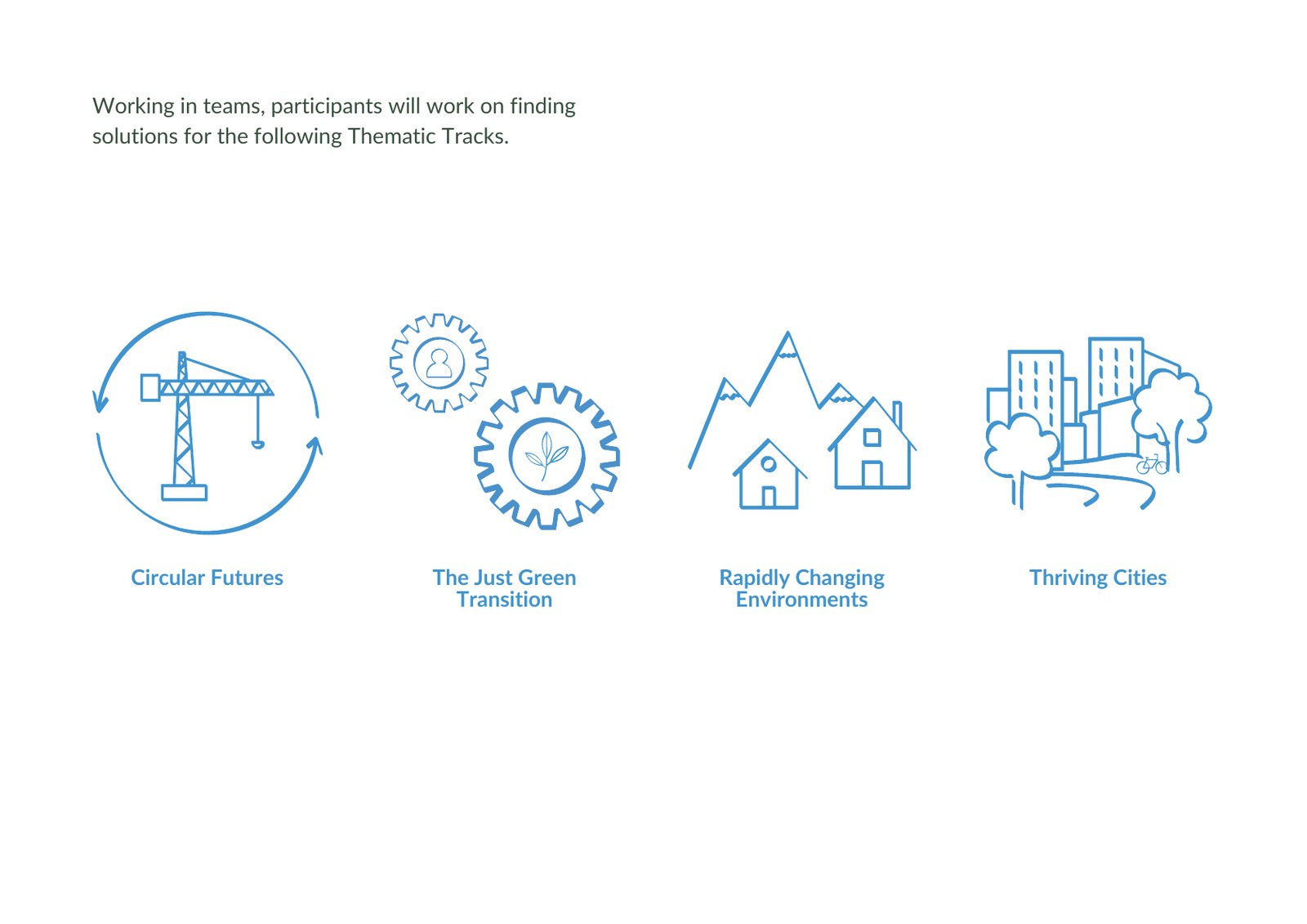
UNLEASH Europe thematic tracks: Circular Futures, The Just Green Transition, Rapidly Changing Environments, and Thriving Cities
Four thematic tracks.Teams are positioned around circular futures, just green transition, rapidly changing environments, and thriving cities.
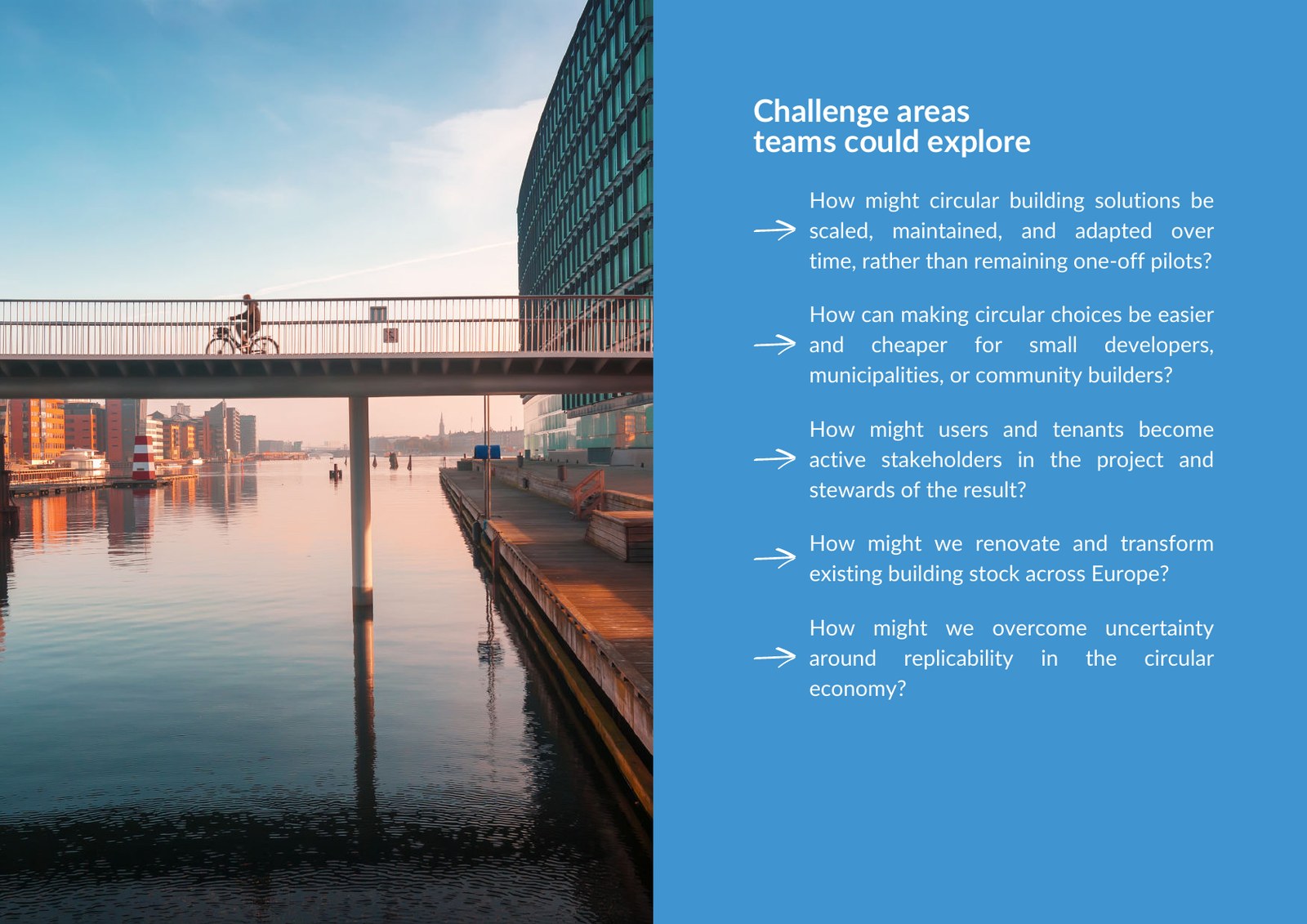
UNLEASH challenge areas slide about circular building solutions and existing building stock
Circular futures.Teams practice turning broad sustainability goals into sharper questions about circular building, renovation, replication, stewardship, and resource loops.
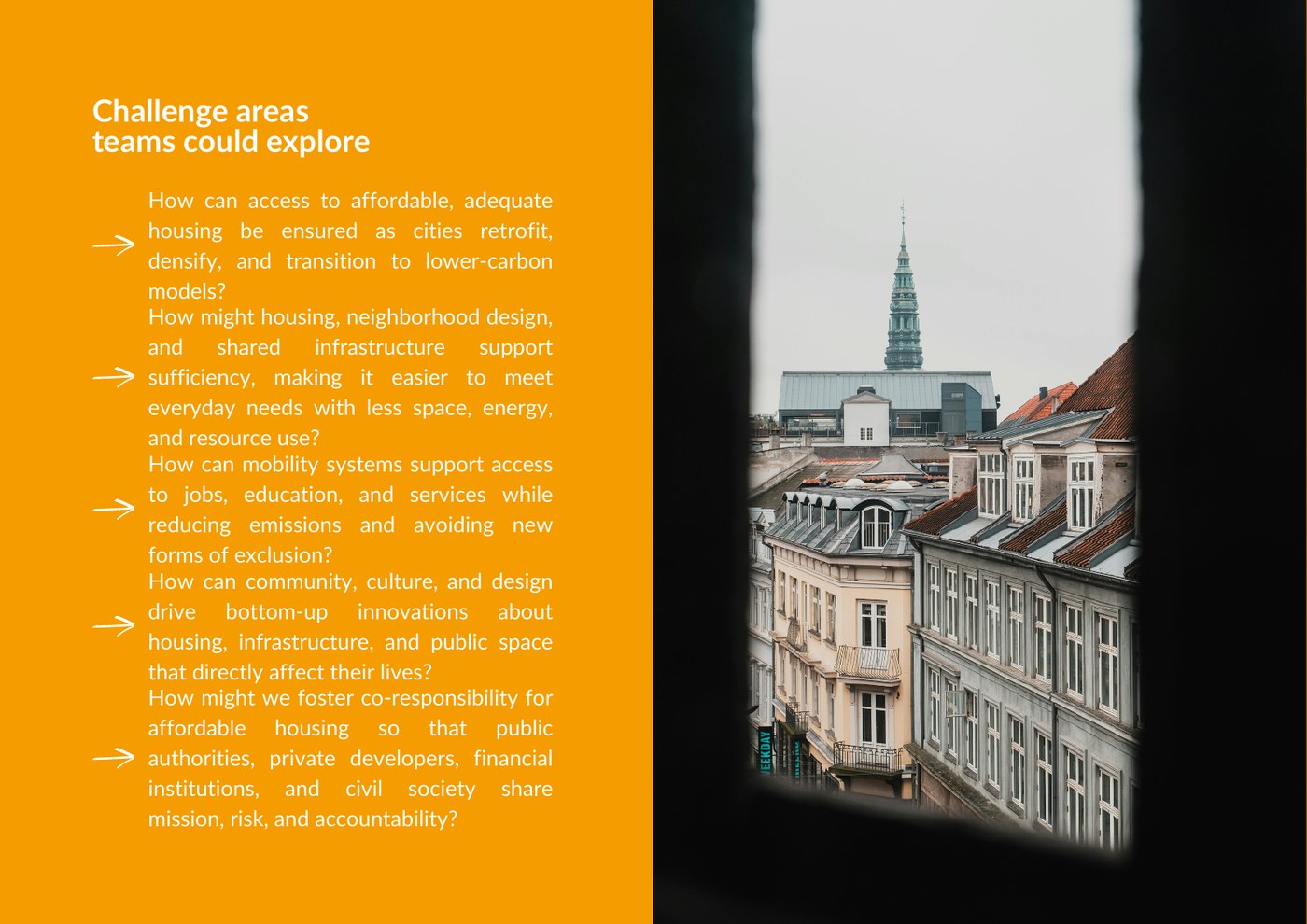
UNLEASH challenge areas slide about housing, mobility, public space, and just green transition
Just green transition.Mobility, housing, shared infrastructure, affordability, and access: the same equity lens needed for transportation and event mobility analytics.
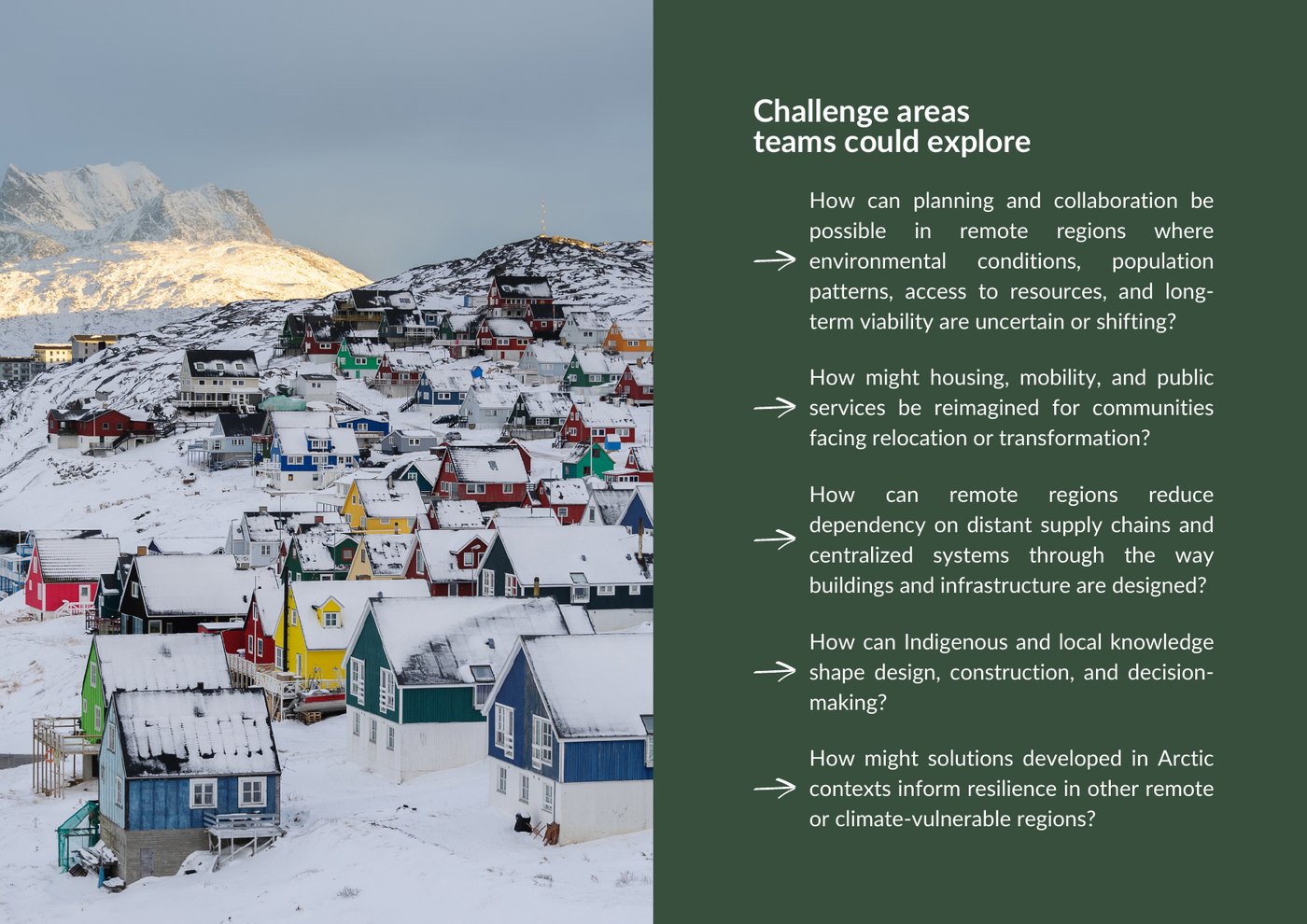
UNLEASH challenge areas slide about remote regions, uncertainty, infrastructure, and climate-vulnerable places
Rapidly changing environments.Think about uncertainty, climate stress, infrastructure adaptation, and transferable resilience models.
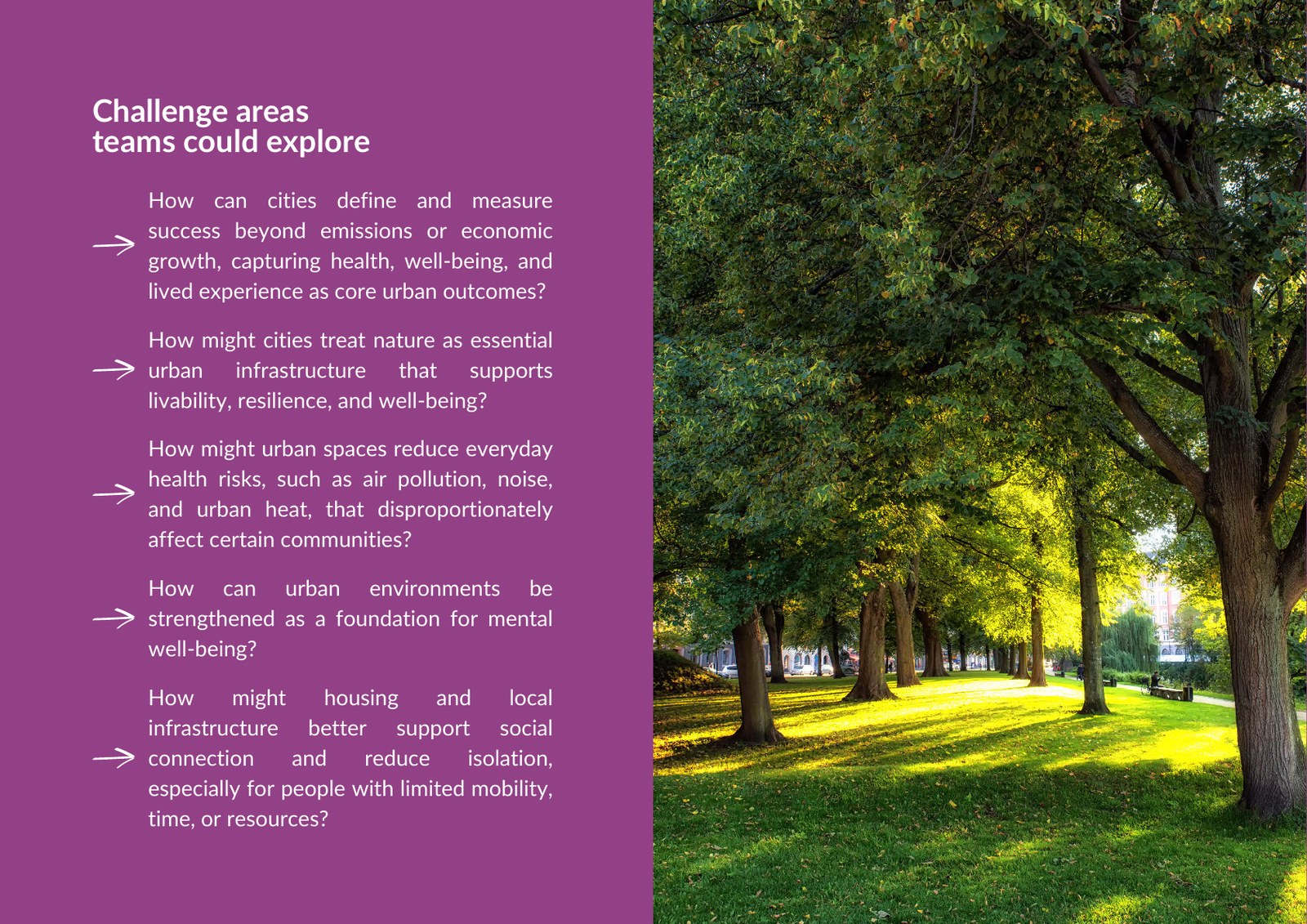
UNLEASH challenge areas slide about health, well-being, nature, urban heat, and social connection
Thriving cities.Connect urban design to health, well-being, nature, heat, mental health, and social connection.

Urban sustainability training map

Four Focal Areas For The Rice Hackathon

01

Transportation And Access

Frame visitor movement, first- and last-mile gaps, transit access, congestion, low-carbon mobility, and equitable access to jobs, services, and fan districts.


02

Energy-Food-Water Nexus

Use circular futures thinking to map hotel, venue, restaurant, and district resource demand, then prototype solutions for efficiency, reuse, emissions reduction, and waste prevention.

03

Public Health And Built Environment

Translate thriving-cities questions into heat vulnerability, air quality, walkability, cooling infrastructure, green space, mental well-being, and neighborhood health outcomes.

04

High-Intensity Corridors And Future Growth Districts

Apply adaptation and resilience thinking to economic districts, land-use change, real estate investment, growth corridors, and long-term sustainable development planning.

Training Flow

  • Frame city sustainability challenges through a user-centered design lens.
  • Break complex resource, mobility, heat, and public health issues into actionable opportunities.
  • Prototype solution concepts that can become maps, dashboards, scenarios, or implementation plans.

Participant Outcomes

  • Build systems thinking and innovation skills for urban sustainability work.
  • Develop an entrepreneurial mindset and resilience for uncertain, multi-stakeholder problems.
  • Practice diverse, collaborative thinking in cross-disciplinary teams.

Connection To The Hackathon

  • Translate workshop insights into a challenge-track problem statement.
  • Use UNLEASH methods to shape a pitch, prototype, and decision-support narrative.
  • Prepare teams to join the UNLEASH international community of sustainability practitioners.

Who It Serves

  • Hackathon teams beginning work on mobility, resource intelligence, public health, heat, or corridor analytics.
  • Students who need a structured pathway from big sustainability questions to testable solution ideas.
  • Participants who want training that connects design methods with measurable urban outcomes.

Lab Outputs

  • A refined problem statement connected to a World Cup 2026 host-city challenge.
  • An early solution concept with users, assumptions, data needs, and prototype direction identified.
  • A stronger foundation for the final hackathon pitch and interactive visualization deliverable.